Just how do you actually feel about Hard Water Effects on Plumbing and Solutions?
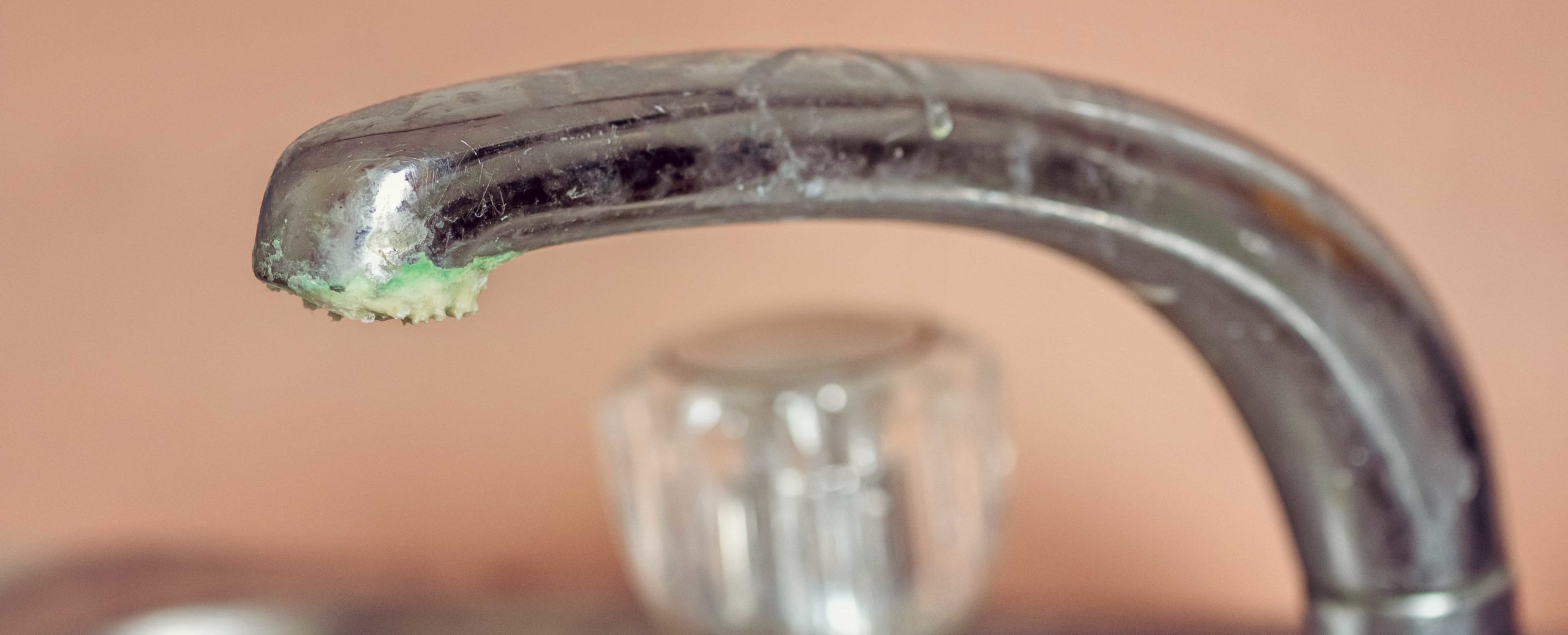
Difficult water, a typical problem in many households, can have substantial effect on plumbing systems. Recognizing these impacts is vital for keeping the long life and effectiveness of your pipes and fixtures.
Introduction
Hard water is water that contains high levels of liquified minerals, primarily calcium and magnesium. These minerals are safe to human health yet can wreak havoc on pipes infrastructure gradually. Allow's delve into exactly how tough water influences pipelines and what you can do regarding it.
Impacts on Pipes
Tough water impacts pipes in a number of harmful means, mostly with scale accumulation, decreased water circulation, and raised rust.
Range Build-up
Among one of the most common concerns brought on by difficult water is scale buildup inside pipelines and components. As water moves through the plumbing system, minerals precipitate out and abide by the pipe wall surfaces. Over time, this build-up can narrow pipe openings, leading to decreased water circulation and raised pressure on the system.
Reduced Water Flow
Mineral deposits from difficult water can slowly decrease the size of pipelines, restricting water flow to faucets, showers, and home appliances. This minimized circulation not just influences water pressure but likewise enhances power intake as appliances like water heaters must function tougher to provide the same amount of warm water.
What is Hard Water?
Hard water is identified by its mineral content, especially calcium and magnesium ions. These minerals enter the supply of water as it percolates through sedimentary rock and chalk down payments underground. When difficult water is heated up or left to stand, it has a tendency to create scale, a crusty accumulation that abides by surface areas and can cause a variety of issues in pipes systems.
Rust
While difficult water minerals themselves do not cause corrosion, they can exacerbate existing corrosion concerns in pipes. Range accumulation can catch water versus metal surface areas, accelerating the rust procedure and potentially leading to leaks or pipeline failing over time.
Appliance Damages
Beyond pipelines, difficult water can also harm home appliances linked to the supply of water. Devices such as water heaters, dishwashing machines, and cleaning devices are particularly susceptible to scale accumulation. This can decrease their efficiency, boost upkeep expenses, and shorten their life-span.
Costs of Tough Water
The financial effects of difficult water prolong past plumbing repair services to include enhanced energy expenses and early device replacement.
Repair work Expenses
Taking care of difficult water-related problems can be expensive, particularly if scale accumulation results in pipe or appliance failing. Normal upkeep and early detection of troubles can aid minimize these expenses.
Regular Upkeep
Routinely purging the pipes system and examining for range accumulation can help prevent pricey repair services down the line. Periodic checks of devices for indications of range accumulation are additionally vital.
Picking the Right Fixtures
Selecting pipes fixtures and devices designed to stand up to tough water conditions can alleviate its impacts. Look for items with corrosion-resistant products and easy-clean functions to lessen maintenance needs.
Energy Performance
Scale buildup reduces the performance of water heaters and other home appliances, bring about greater power consumption. By resolving difficult water concerns quickly, home owners can improve power efficiency and lower utility bills.
Examining and Therapy
Evaluating for tough water and carrying out suitable therapy actions is key to mitigating its impacts on pipelines and home appliances.
Water Softeners
Water softeners are the most typical remedy for treating tough water. They function by trading calcium and magnesium ions with sodium or potassium ions, successfully decreasing the solidity of the water.
Other Therapy Alternatives
In addition to water conditioners, various other treatment choices include magnetic water conditioners, reverse osmosis systems, and chemical ingredients. Each approach has its advantages and suitability depending upon the severity of the hard water issue and family demands.
Safety nets
Avoiding tough water damages calls for a mix of proactive maintenance and thoughtful fixture selection.
Conclusion
Finally, the effects of tough water on pipelines and devices are considerable but manageable with correct awareness and safety nets. By understanding just how difficult water affects your plumbing system and taking aggressive actions to minimize its effects, you can expand the life of your pipelines, boost power performance, and reduce maintenance costs in the long run.
The Impact of Hard Water on Your Plumbing System
Install a Water Softener
One of the most effective ways to combat hard water is by installing a water softener. These devices work by removing the excess minerals from your water supply, preventing them from building up in your pipes and appliances. According to the Water Quality Association, water softeners can extend the lifespan of your plumbing system and improve the efficiency of your appliances. Garon T Plumbing, Heating, and Air Conditioning offers professional water softener installation services to help you protect your plumbing system from hard water damage.
Flush Your Water Heater Regularly
Hard water can cause sediment buildup in your water heater, reducing its efficiency and potentially causing damage. We recommend flushing your water heater at least once a year to remove sediment and maintain optimal performance.
Schedule Regular Plumbing Inspections
Regular plumbing inspections can help identify and address hard water-related issues before they become major problems. A professional plumber can assess your plumbing system, identify areas of concern, and recommend the appropriate steps to prevent damage and maintain optimal performance. Garon T Plumbing, Heating, and Air Conditioning offers comprehensive plumbing inspections and maintenance services to help you protect your investment and keep your plumbing system running smoothly.
In conclusion, hard water can have a significant impact on your plumbing system, leading to costly repairs and replacements. By understanding the effects of hard water, installing a water softener, regularly cleaning and maintaining your fixtures, flushing your water heater, and scheduling regular plumbing inspections, you can protect your plumbing system from hard water damage. Contact Garon T Plumbing, Heating, and Air Conditioning today to learn more about our services and how we can help you maintain a healthy, efficient plumbing system.
I'm very drawn to Understanding Hard Water: Its Effects on Plumbing and I hope you liked the new blog entry. Enjoyed reading our write-up? Please quickly share it. Let another person discover it. I love your readership.
Book Service Now